Skills are heritage too
Heritage Day is celebrated in the ways we know best. The food, the languages, the music, the clothes that carry where we come from. All of it matters. But there is another kind of heritage that gets less attention in September, and it is the most practical kind there is: the skill passed from one pair of hands to another.
The oldest form of education
Long before classrooms existed, this was how education worked. Someone who knew a craft stood next to someone who didn't, and showed them. Watching, copying, being corrected, trying again. Apprenticeship is the oldest form of teaching we have, and every trade that keeps a country running (the wiring, the plumbing, the brickwork, the welding) still depends on it. A skill of the hands cannot be fully learned from a book. It has to be handed over, person to person.
Where the handover is falling short
South Africa needs that handover to happen at a scale it currently isn't. The National Development Plan calls for 30,000 new artisans qualifying every year by 2030. The most recent annual figure is closer to 20,000. Minister Blade Nzimande has said that 60% of school-leavers should be entering the trades. The actual proportion is a fraction of that. Meanwhile the demand side does not wait: houses still need wiring, walls still need plastering, water still needs to run. These are not skills of the past. They are load-bearing skills of the present, and the country cannot import its way out of the shortage. The skills have to be grown here, person by person.
That is what makes this a heritage question and not only an economic one. A trade that stops being passed on does not sit in a library waiting to be picked up again. The chain of transmission either continues or it thins. Every artisan who teaches a young person extends it. Every year the gap between 20,000 and 30,000 persists, it weakens.
Keeping the chain intact
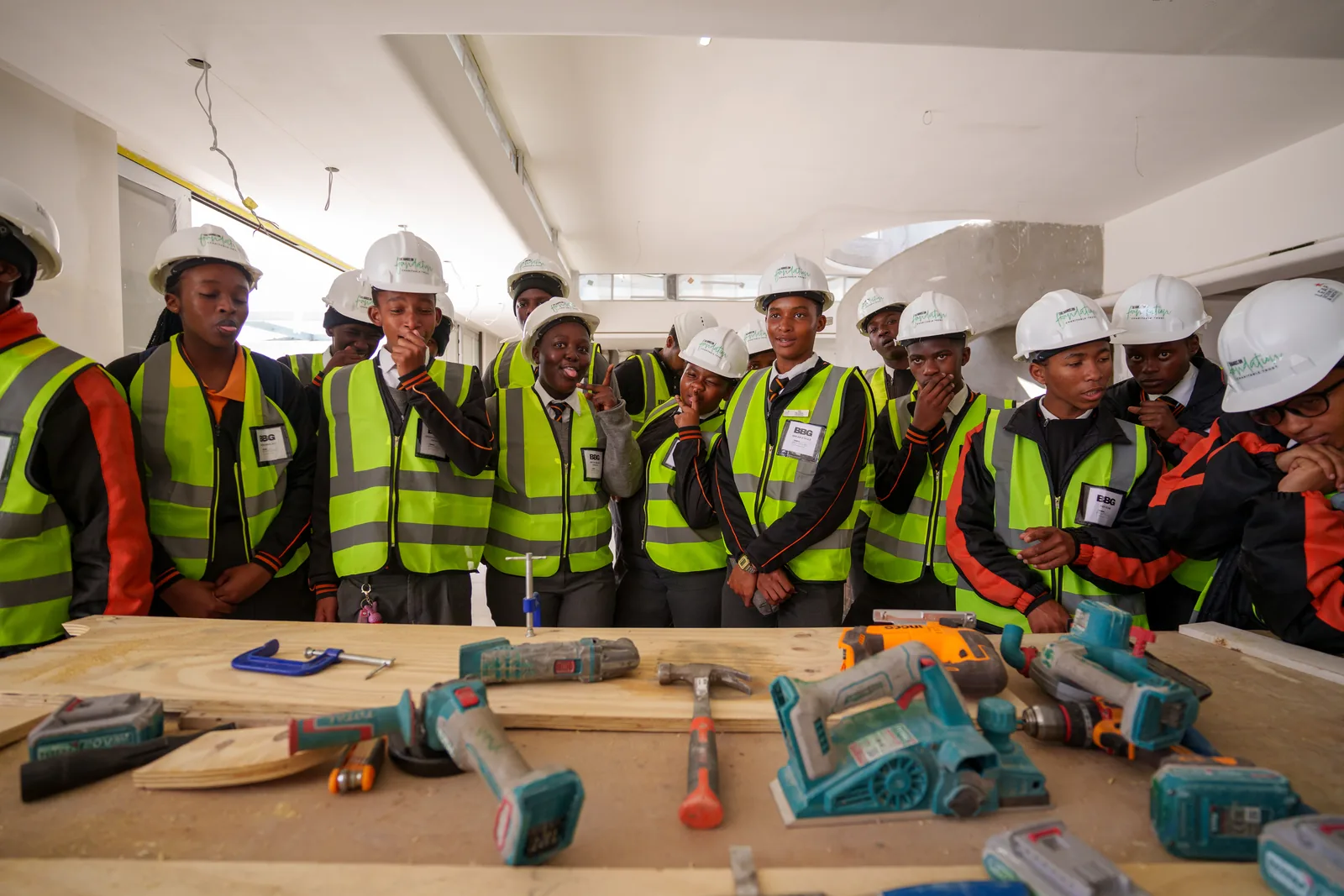
The Hands On Foundation exists to keep that chain intact, and to widen it. We have built technical faculties inside three mainstream high schools: Wynberg Boys High, LEAP 1 Langa, and LEAP 2 Crossroads. Qualified artisans teach in them, during the ordinary school day, in the same buildings where learners take maths and English. The oldest form of education, placed inside the newest part of these learners' lives, in the communities where they already live.
Watching it happen in real time
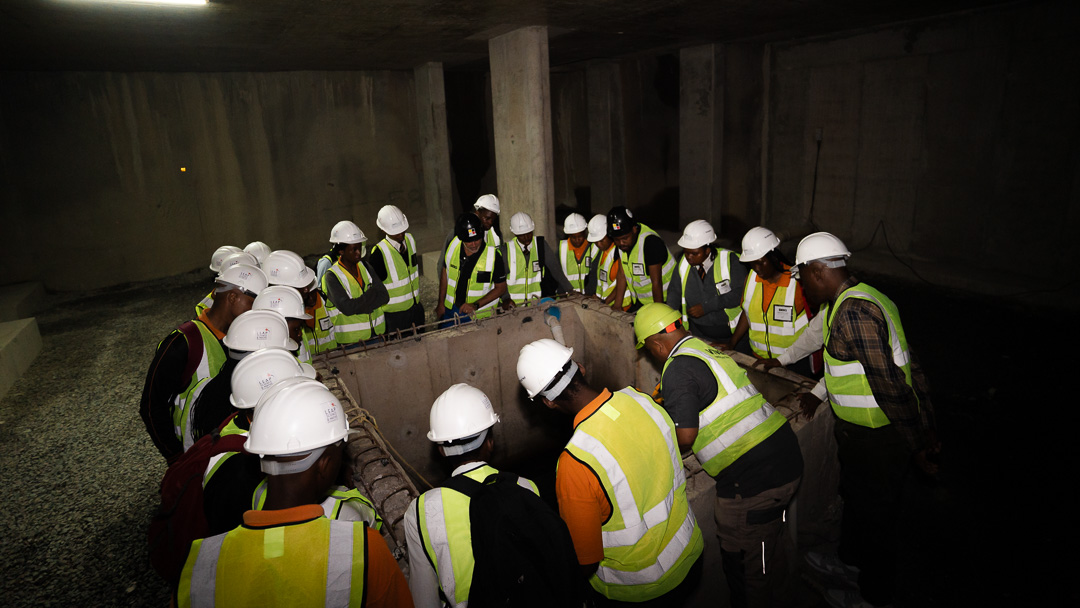
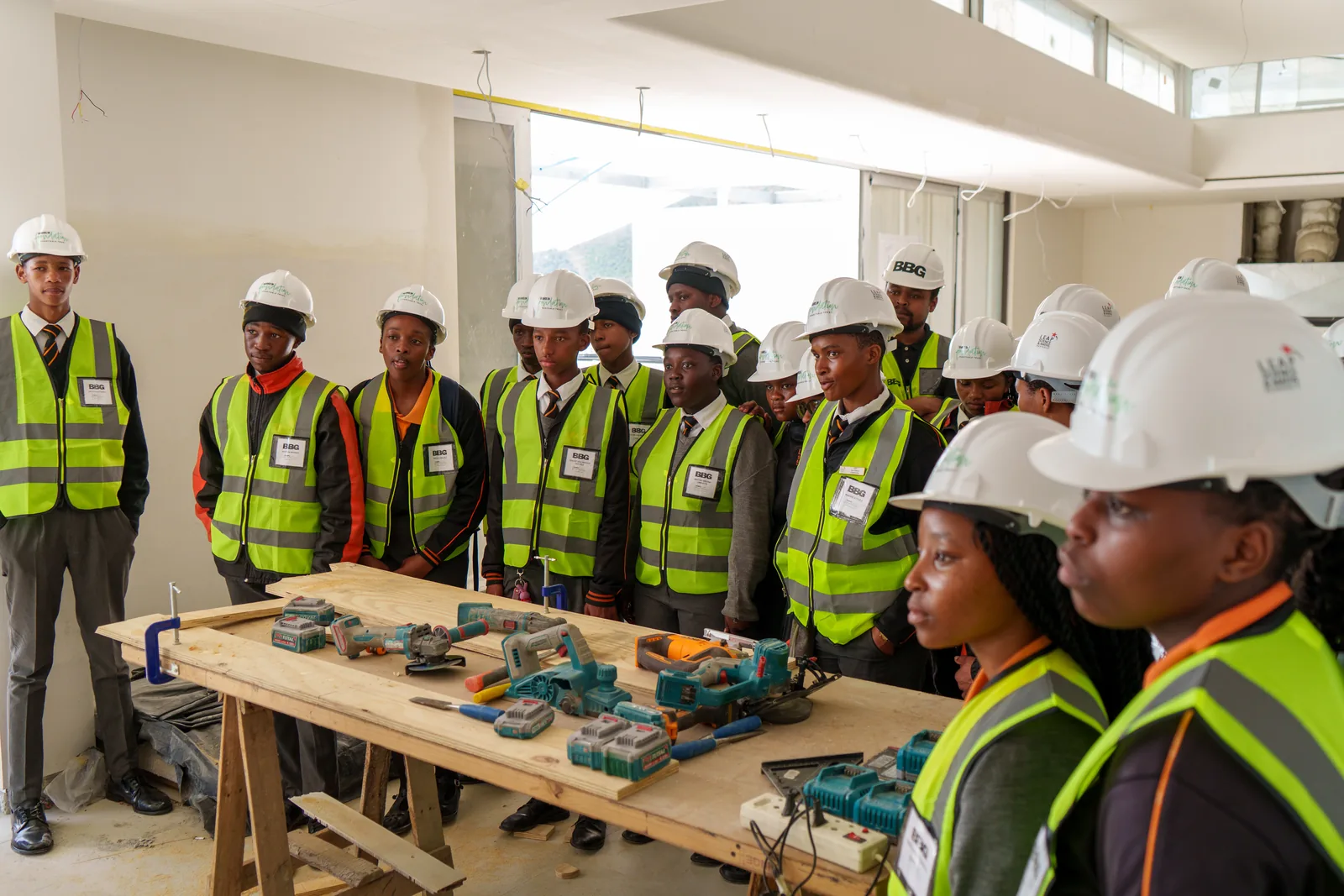
At the end of August we watched the handover happen in real time. Fifty-two learners from LEAP 2 Crossroads spent a morning on working construction sites in Sea Point. An electrical engineer and a resident electrician walked them through the drawings and fittings of a live building. A site manager took them through the safety regulations that govern real work. Qualified artisans demonstrated bricklaying and plastering, hands moving the way hands have moved for generations, this time with twenty-nine learners in hard hats watching closely. That morning was many things: a site visit, a school excursion, a technical lesson. It was also heritage transmission, happening exactly the way it always has.
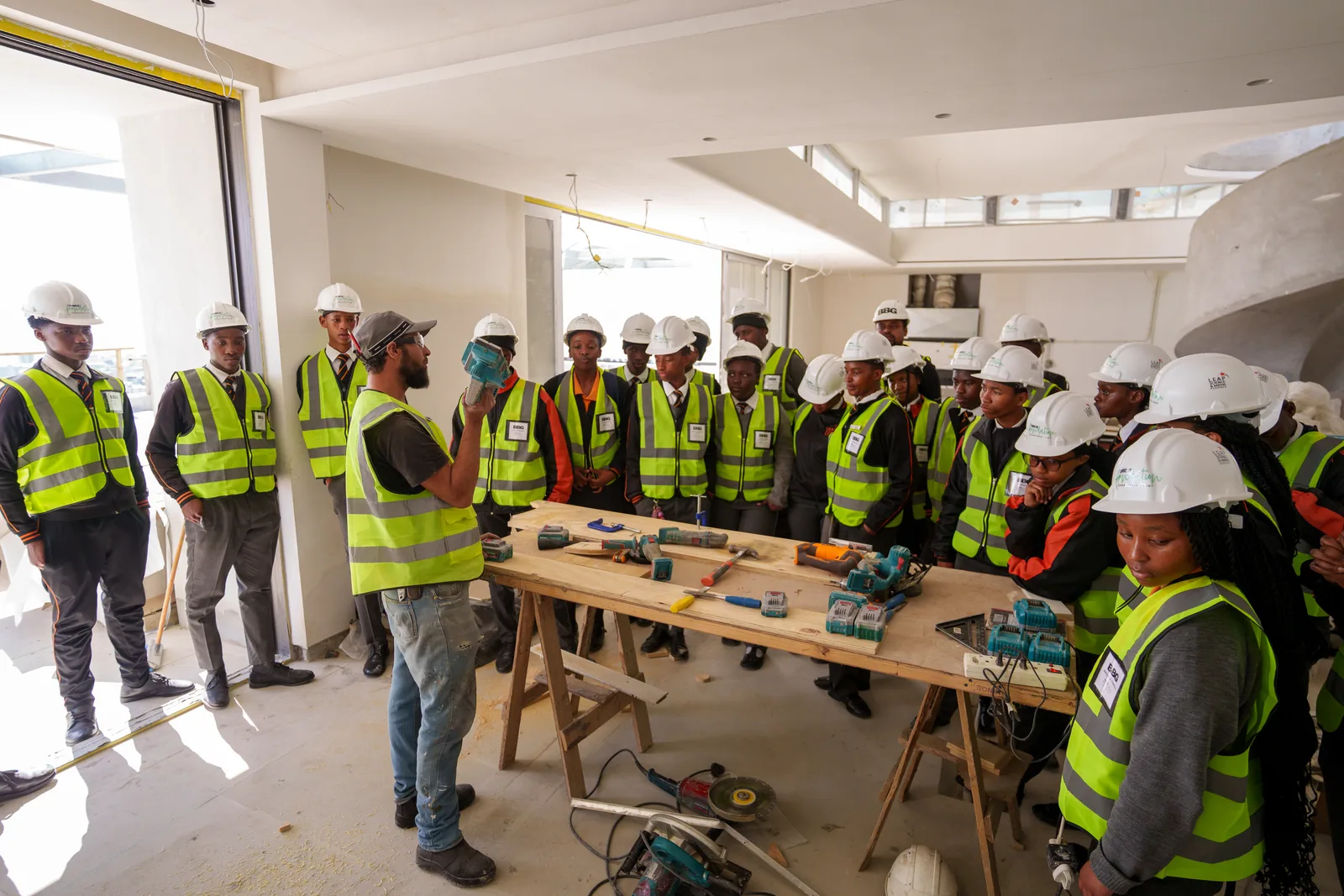
The chain holds up its end when we hold up ours. The Department of Higher Education and Training's tracer studies show that 81% of those who complete artisan apprenticeships are employed afterwards. The route from a young person watching an artisan work to a qualified tradesperson earning a living is real, measurable, and open. What it needs is more hands reaching back.
What we hand over next
Heritage is not only what we inherit. It is also what we build and hand over. The learners in our faculties in Langa, Crossroads, and Wynberg are learning skills that were passed to their teachers, who had them passed to theirs. What they learn now becomes what they pass on next. That is the work, and it is why our founding line reads the way it does.
The future is in our hands.
Support the handover
If you would like to support a learner's technical education, visit thehandsonfoundation.org/donate. For corporate partnerships, write to management@thehandsonfoundation.org.
Sources: National Development Plan 2030. "Supply and Demand of Artisans in South Africa", Department of Higher Education & Training (National Skills Fund), 2022. Minister Blade Nzimande address, 10 June 2022.
Let’s Build a Future Together
Education is the most powerful tool to break cycles of poverty and inequality. By supporting The Hands On Foundation, you are investing in real skills, real opportunity and real transformation.