The future is in her hands: what a woman running construction projects sees in our 53%
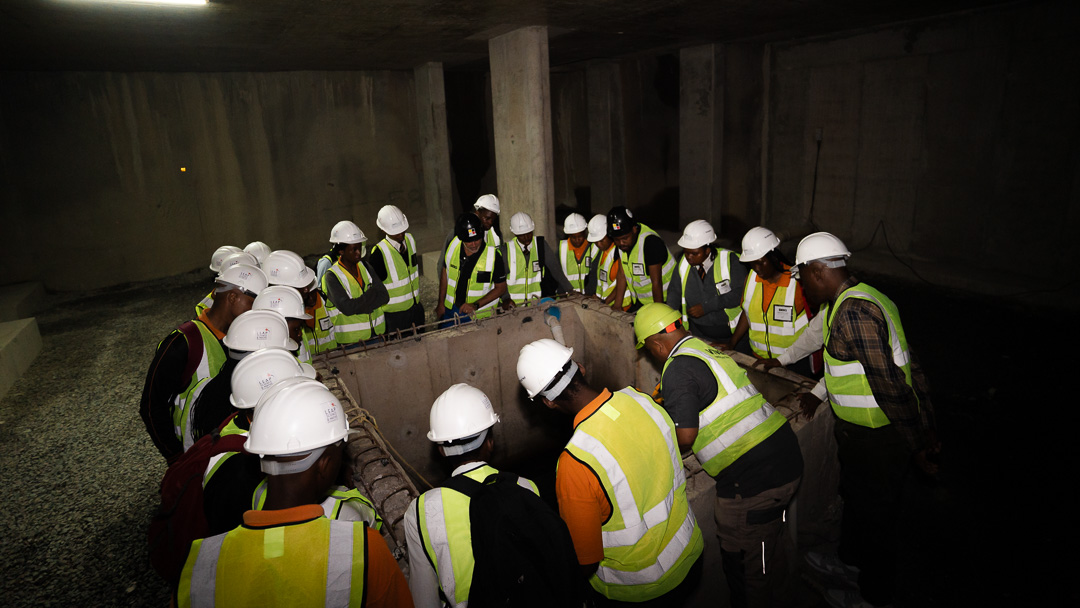
In the engineering faculties at our LEAP schools, 53% of the learners are women.
It's the kind of number that looks like the result of a recruitment drive or a quota. It isn't. Nobody engineered it, and that's the point of publishing it.
The explanation is structural. In most of South Africa, technical education sits outside the school gate, at a TVET college or an after-hours programme somewhere else. Getting there takes transport money, permission, and the willingness to be the only girl making the trip. Each of those barriers cuts hardest along gender lines. That's why it can look like girls aren't interested in the built environment. Most were filtered out before anyone asked.
Our model removes the journey. The workshop is on the same campus as the maths classroom. The technical subjects sit on the ordinary timetable, taught by a qualified artisan every week of the academic year. Choosing the technical track means picking a subject, nothing more. Do that, and girls choose it at the same rate they choose physical sciences. The 53% isn't an achievement we manufactured. It's what happens when the barriers come down: the interest was there all along.
The gap the number points at
This matters well beyond our own statistics. Stats SA's Q1 2026 figures put unemployment at 60.9% for South Africans aged 15 to 24. The National Development Plan needs 30,000 new artisans qualifying every year by 2030, and the country produces closer to 20,000. And the Department of Higher Education and Training's tracer studies show 81% of qualifying artisans employed after their apprenticeships.
Put those numbers together and the picture is simple. An industry short of people. A generation short of routes in. And the female half of that generation filtered out hardest. A pipeline that recruits from only half the population was never going to close a 10,000-a-year shortfall. The 53% shows what the supply side looks like when the barriers come down. The real Women's Month question is whether the industry is ready for them.
The view from the demand side
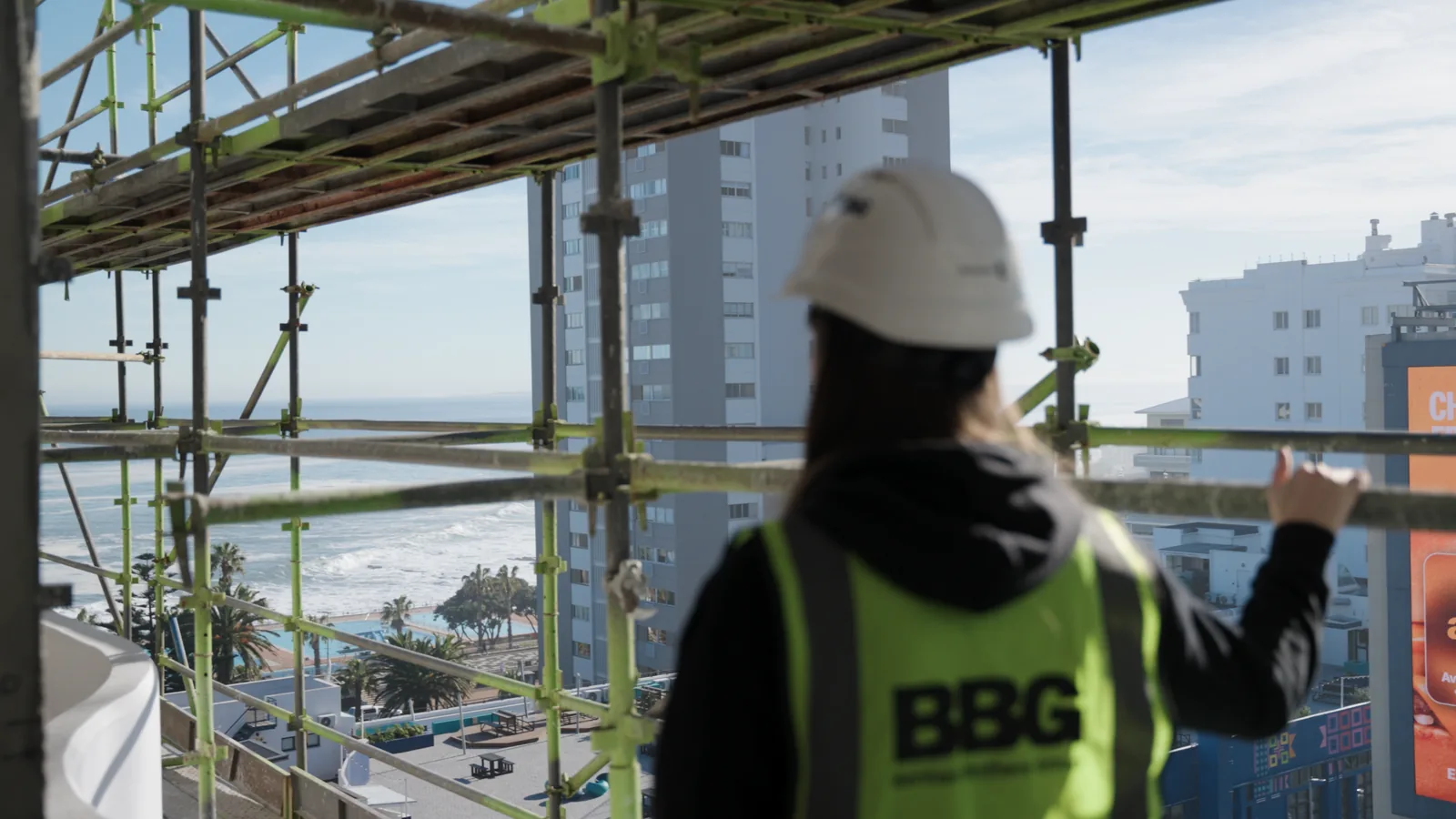
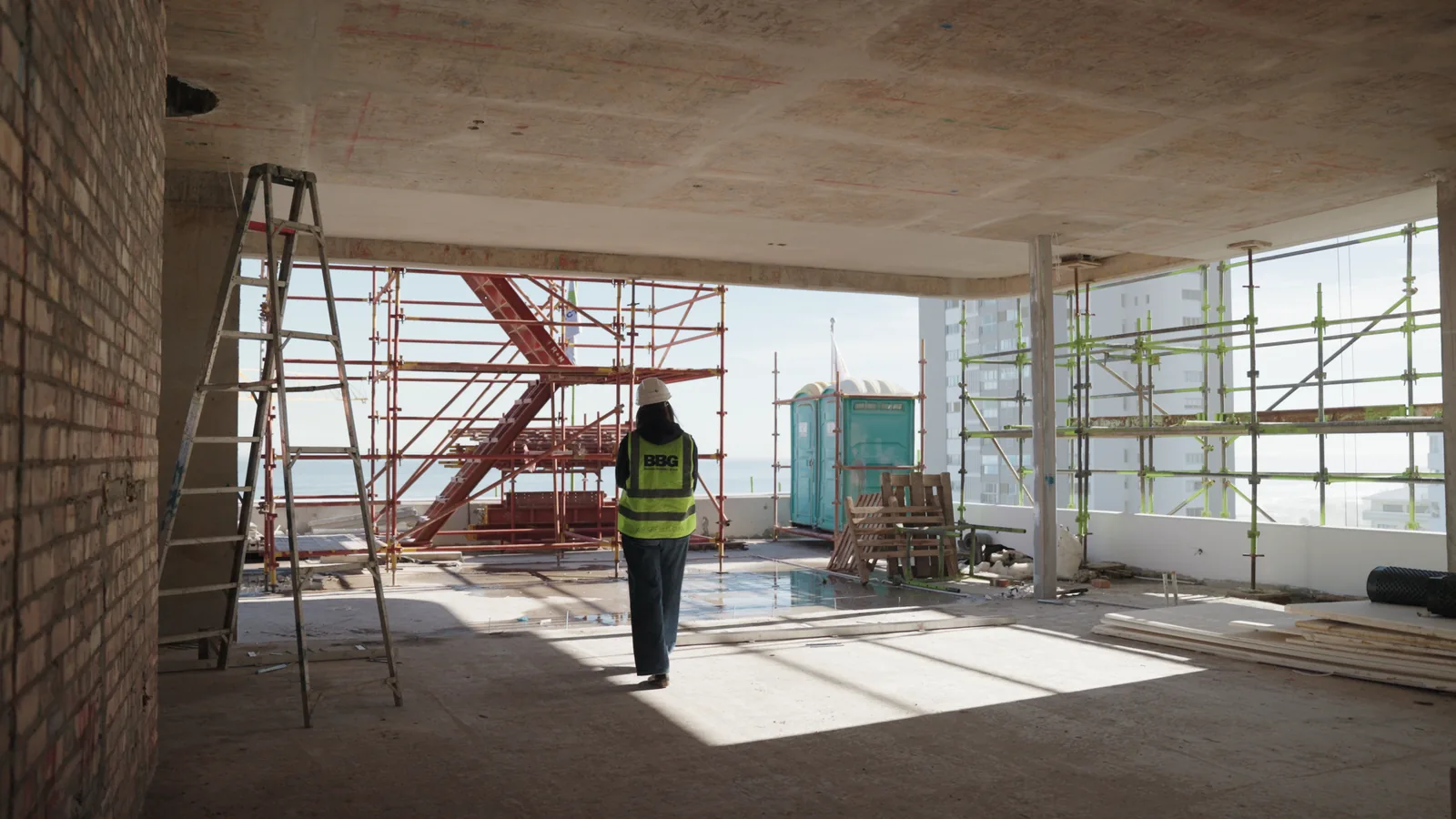
A foundation quoting its own statistics only gets you so far. The test of the 53% is whether it means anything to the people who hire. So we took it to Marika Abrahams, Project Director at Berman Brothers Group. She runs projects from inception through planning, construction and delivery.
Her own route in wasn't a straight line: Lego houses as a child, formal training in architecture and later town planning and urban design, then what she calls a roundabout entry into development. What she credits for her progress isn't the qualifications. It's the mentors around her and the day-to-day work. That's exactly what our faculties are built on: working artisans in front of learners, every week.
When we showed her our number, her response was the one we'd want every employer in the sector to have.
"That 53% number is really encouraging, female learners being interested in the built environment and its career pathways."
– Marika Abrahams, Project Director, Berman Brothers Group
She was honest about the industry those learners are entering. Male leadership is still the norm in construction, she told us, and she counts herself fortunate to be on a team that put her in a senior role. Her advice to the young women coming through is not to shrink to fit the industry as it stands.
"Women have a unique place in the industry, and it's not about mimicking the roles of our male colleagues, but about bringing our own strengths to the table."
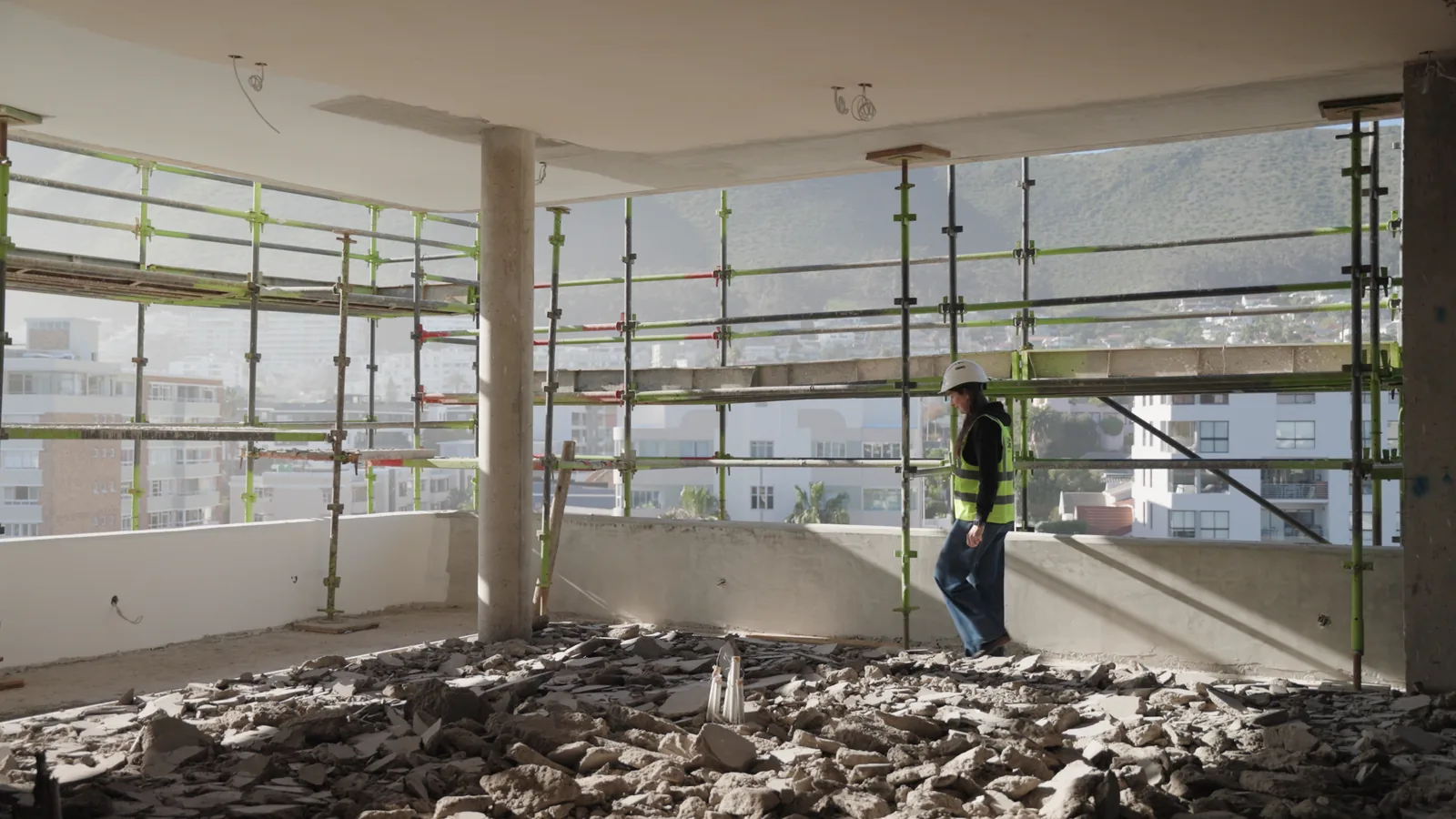
Both front doors
The part of the conversation that spoke most directly to our model wasn't about gender at all. Unprompted, she raised how society weighs learned knowledge against skills and trade, and landed where our faculties are built. The route into the built environment may run through a trade, or through tertiary engineering and design. Both deserve to be treated as viable. In her words, "this industry cannot function one without the other." She believes developers should care about what happens in high school classrooms. So do we. It's why we build in them.
That's what the workshops at Langa and Crossroads are. Not a fallback for learners who won't reach university, but one of two front doors into an industry that's short of people at both. A Grade 10 learner in our construction stream is standing at the near end of a pipeline. Marika's job is what the far end looks like.
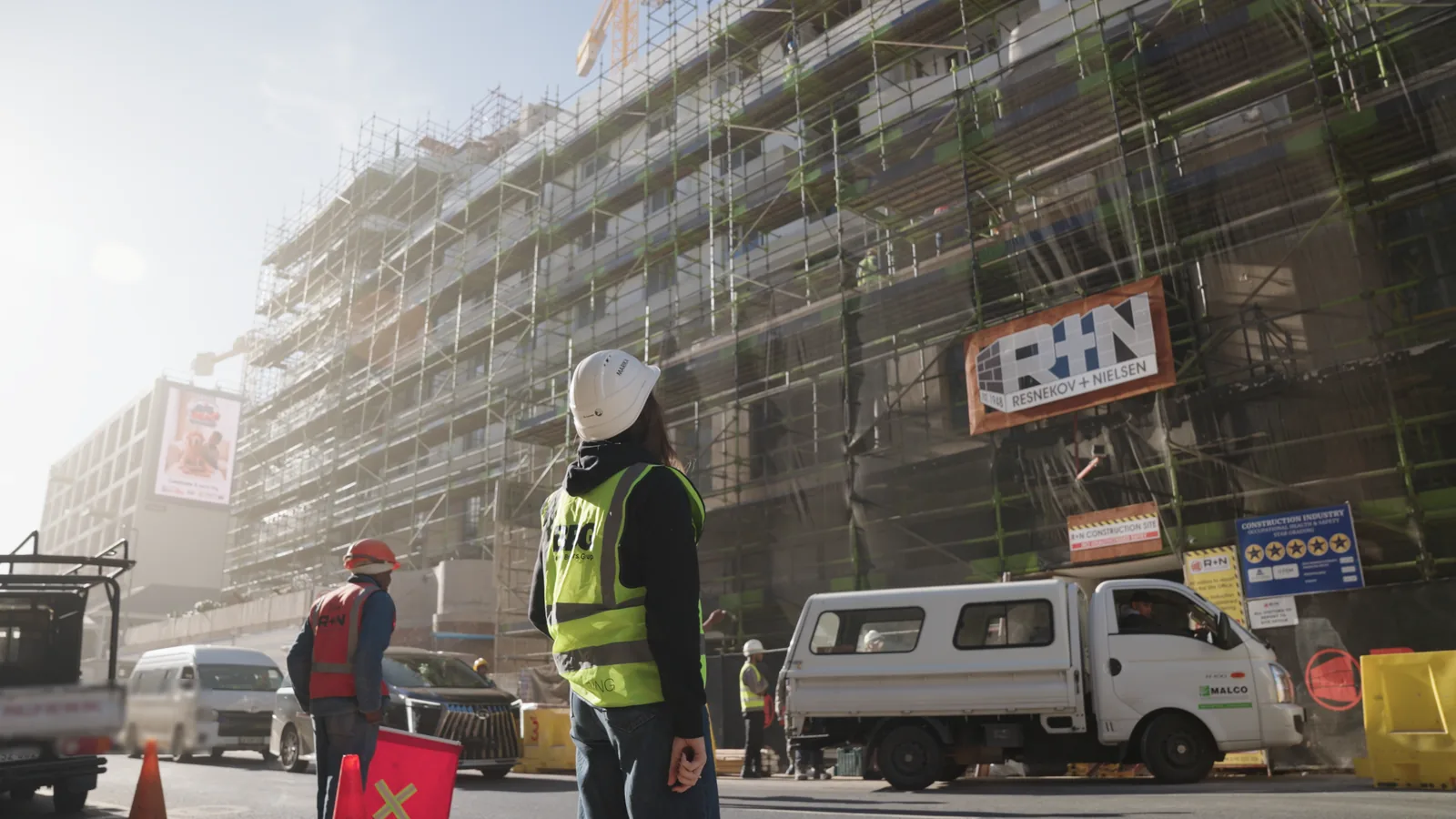
The future, literally, in their hands
We didn't prompt this last part. Talking about the buildings her projects leave behind, the ones people live in and use for decades, she landed on our own line.
"In that way the future literally is in their hands, and will be manifested in the things that they will create and build."
That's the Women's Month argument in a sentence, from someone who builds for a living. The 53% in our faculties isn't a statistic to celebrate for a month. It's the near end of a pipeline that leads to jobs like hers, and our work is keeping the road between the two open.
How to support this
To fund a learner's year of technical training at LEAP 1 Langa or LEAP 2 Crossroads, visit thehandsonfoundation.org/donate. For corporate partners with skills development or socio-economic development spend under B-BBEE, write to management@thehandsonfoundation.org for a partnership conversation.
Sources: Quarterly Labour Force Survey Q1 2026, Statistics South Africa. "Supply and Demand of Artisans in South Africa", Department of Higher Education & Training (National Skills Fund), 2022. National Development Plan 2030. Quotes from The Hands On Foundation's Women's Month interview with Marika Abrahams, 2026.
Let’s Build a Future Together
Education is the most powerful tool to break cycles of poverty and inequality. By supporting The Hands On Foundation, you are investing in real skills, real opportunity and real transformation.