The ambition was never missing: why Hands On builds inside the school
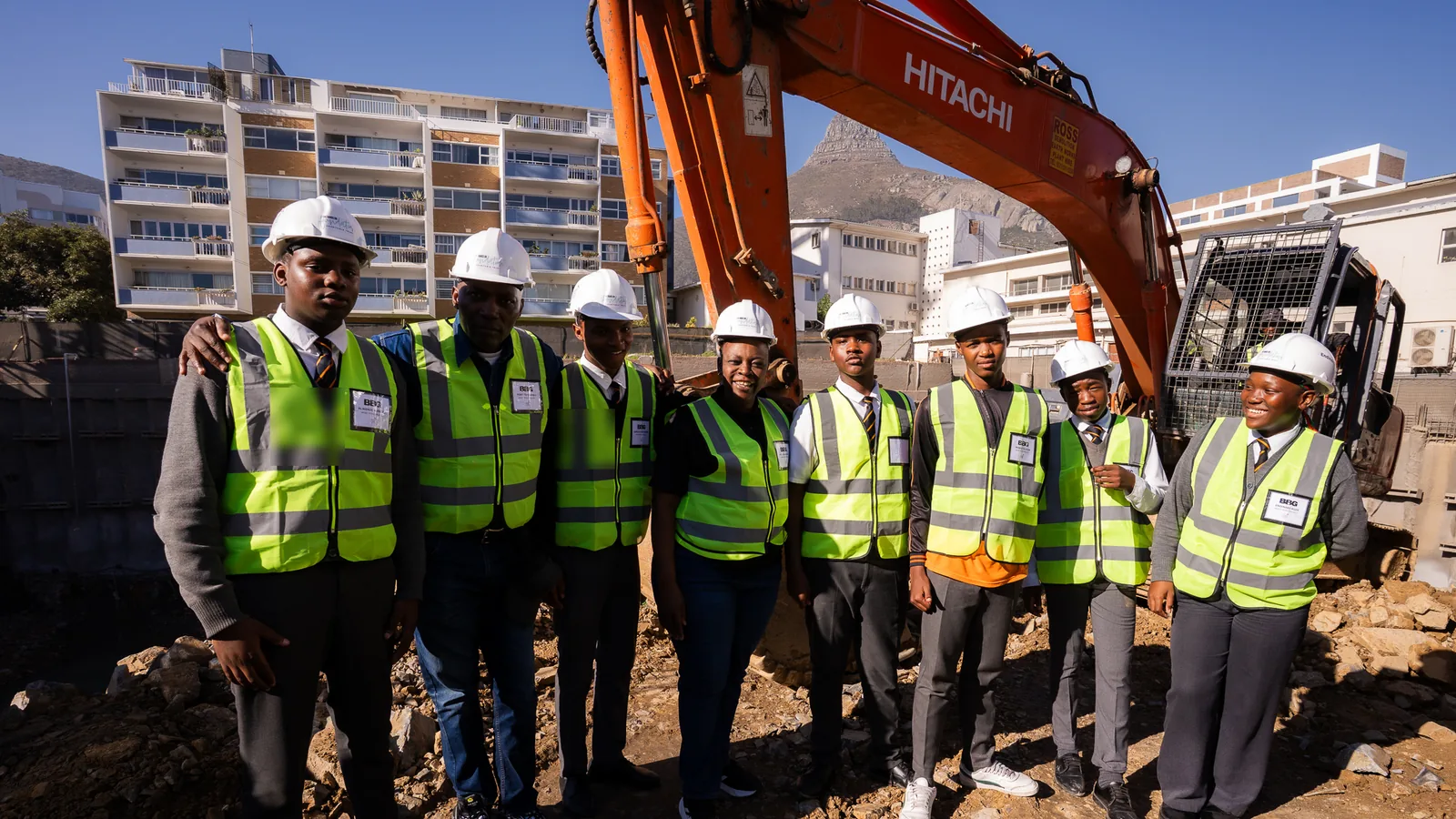
The Hands On Foundation builds technical faculties inside mainstream schools. A qualified artisan on the timetable, a working workshop on the same campus as the maths classroom, and a Grade 10 learner who no longer has to leave her community to find out what an engineer actually does. That is the whole model. Everything the foundation publishes is evidence for it.
It rests on a position most of the skills-development sector disagrees with, so it's worth stating plainly. The reason township learners don't become engineers is not a shortage of ambition. It's that South Africa delivers technical education outside the school gate, and a training model that requires a 16-year-old to travel out of Langa or Crossroads, alone, against the advice of the adults around them, will lose most of them before the first lesson. The fix is not a better standalone centre. The fix is putting the faculty inside the school they already attend.
That position wasn't reached through theory. It was reached by listening to learners, and by watching what the conventional model asks of them.
What the learners told us
This year we ran interviews across our engineering faculties, and the thing that struck everyone who sat in on them was the precision. Nobody said "a good job". They said this:
"My goal is to become a mechanical engineer, because I want to see how machines are made and created."
– a Grade 10 learner in the construction stream at a LEAP school
"I want to inspire young women like me to become future engineers one day."
– a Grade 10 learner in the engineering faculty
These are Grade 10 and 11 learners in our construction and digital electronics streams, carrying seven-subject loads: pure maths, physical sciences, engineering graphics and design, and two languages. The ambition is not the missing ingredient. It never was.
What's missing is the route, and two of the interviews show exactly where it breaks.
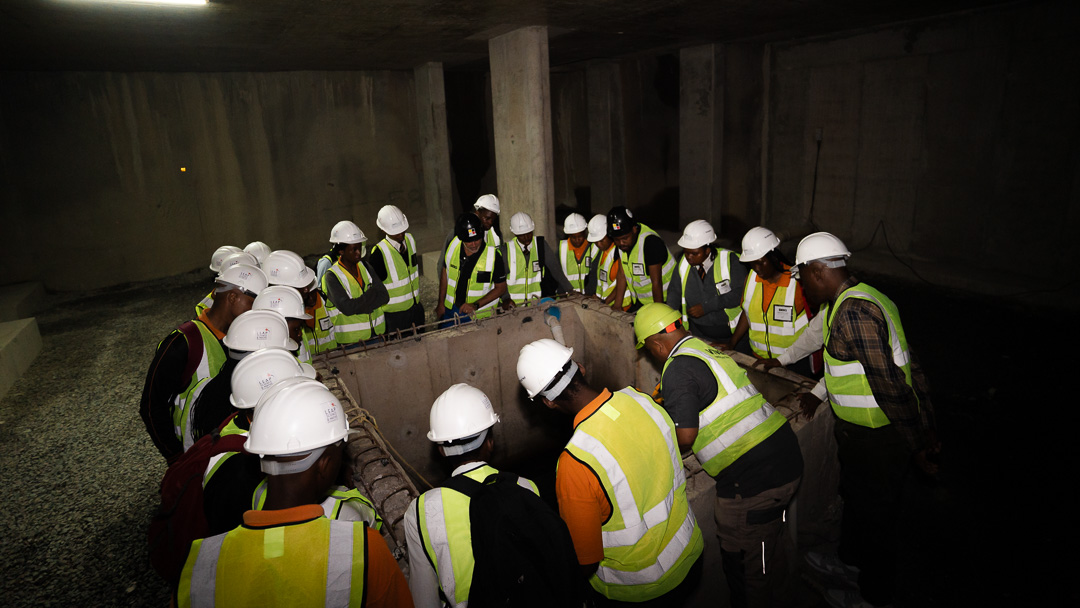
The first is a Grade 11 learner in our construction stream who visited working sites with Berman Brothers Group, the construction firm whose experience sits behind this foundation:
"I got to see the plans. Everything we do in the book, I got to see it in real life. I got to see where my office would be."
Then, in the same breath:
"In our community, construction workers are perceived as poor and dirty. I want to be the one that changes the narrative. I want to rewrite the books."
– a Grade 11 learner in the construction stream at a LEAP school
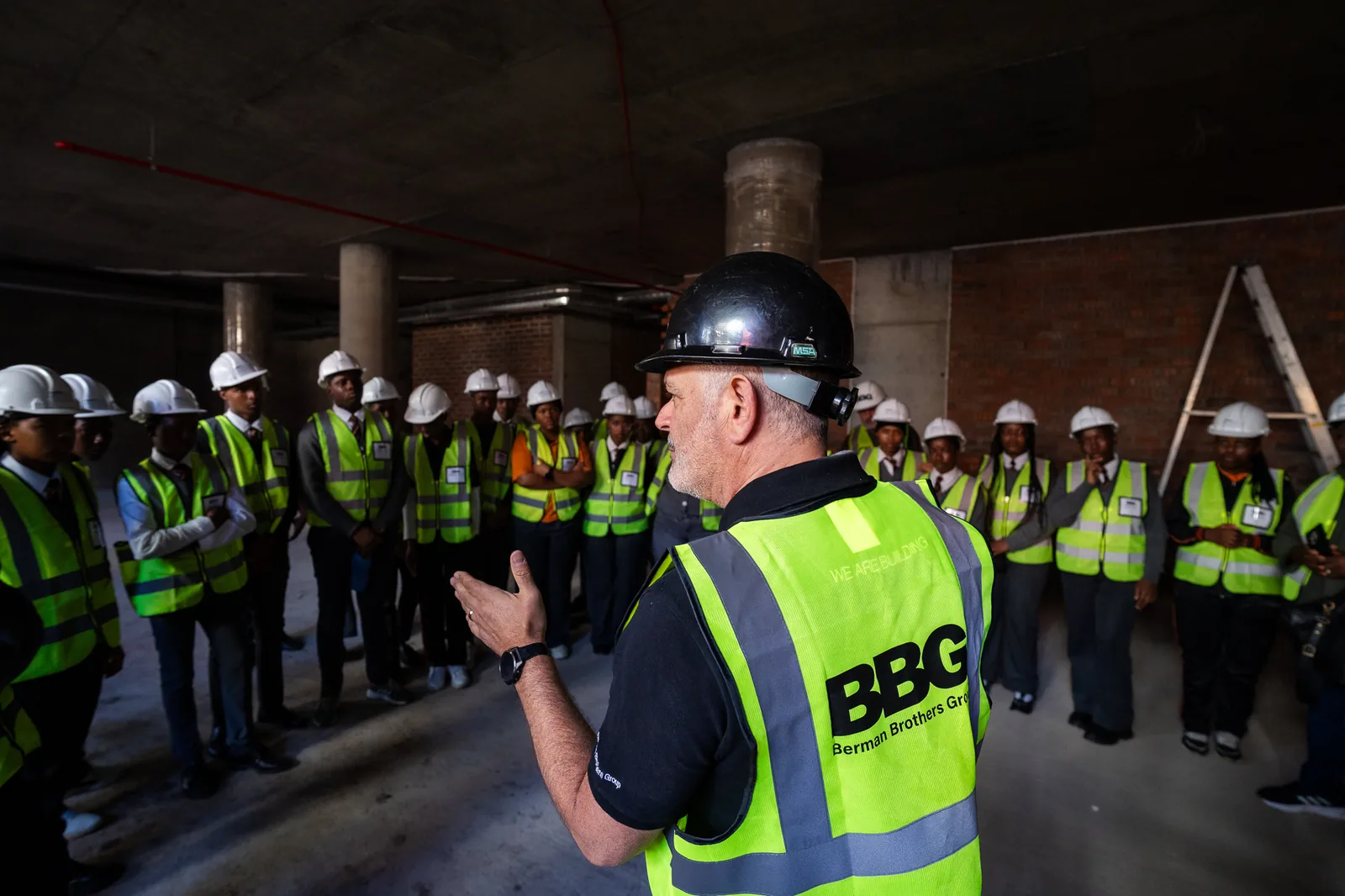
That second quote is the barrier the sector keeps missing. It isn't access to information. It's that the trade she's choosing carries a stigma at home, and until she stood on a live site, she had never seen the version of the profession that runs the site rather than carries the bricks.
The second is a Grade 11 learner at LEAP 1 in Langa, an ambassador for the engineering faculty:
"My goal is to break the barrier and become the first graduate at home. To break the generational curses, so that those who come after me do not have to face the same challenges that I face every day."
– a Grade 11 learner and engineering ambassador, LEAP 1, Langa
She is not describing a subject choice. She is describing a fight, and she is describing having to win it largely alone.
What the conventional model asks of them
Now put the conventional model in front of these two learners. It says: finish school first, then find a TVET college or an after-hours programme, arrange the transport, pay the costs, and be the one person on your street making that trip while the adults around you, whose own ambitions broke for structural reasons, tell you to be realistic. Stats SA's Q1 2026 figures put unemployment at 60.9% for 15 to 24 year olds, and in Q1 2025, 58.7% of unemployed young South Africans had never held a job at all. The conventional model's answer to that is a route with four separate exits before it starts.
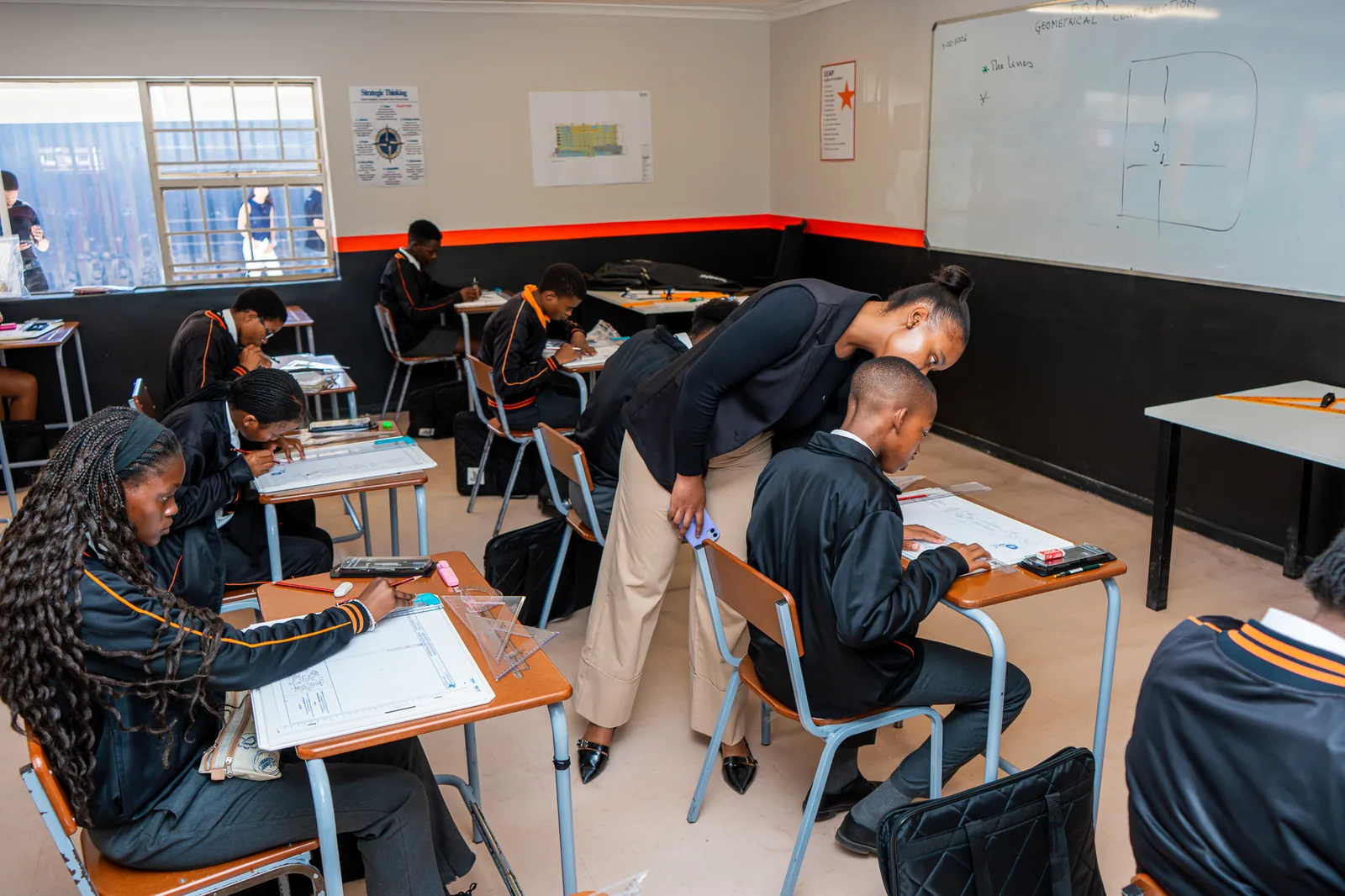
The Hands On answer is shorter. The workshop is on the same campus as the maths classroom. The technical subjects sit on the ordinary timetable next to physical sciences and English. The artisan teaching the class is in the building every week of the academic year. Choosing the technical track requires no transport money, no separate enrolment, and no act of social defiance. It requires picking a subject.
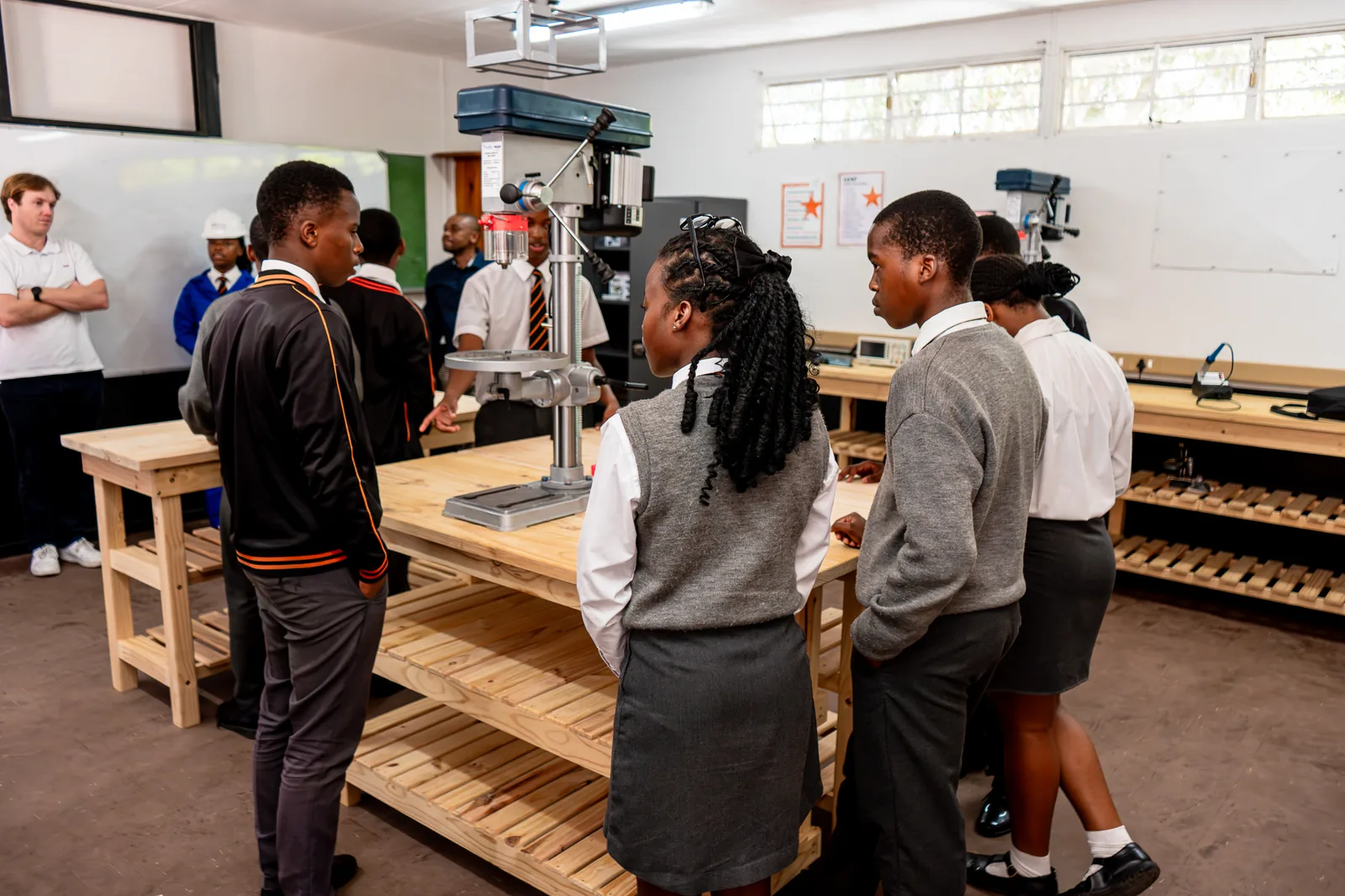
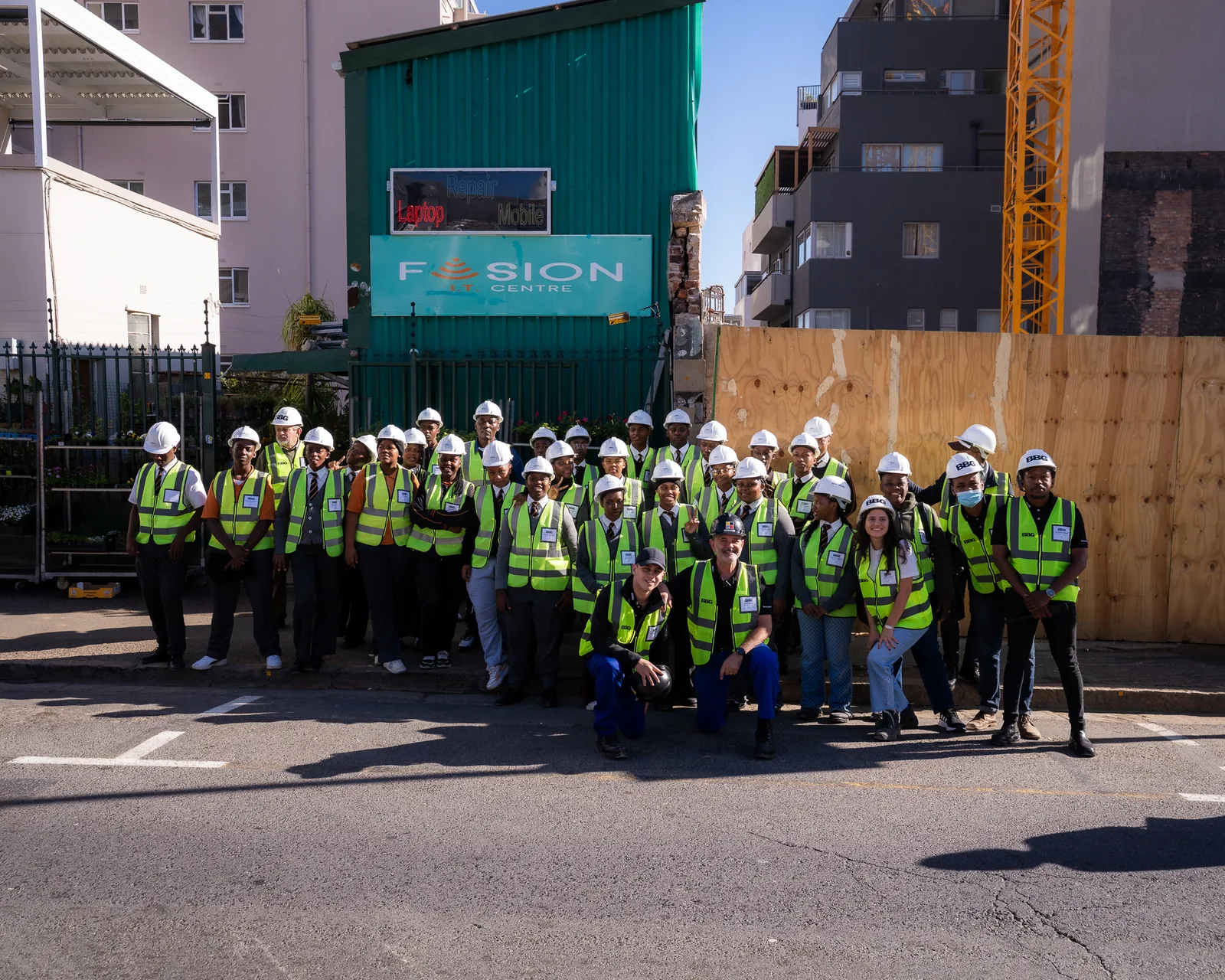
The model now runs inside three schools: Wynberg Boys High, where it started, and LEAP 1 Langa and LEAP 2 Crossroads, where more than 100 learners are currently in the programme. When Cape Town's Deputy Mayor walked through the LEAP campuses in April 2026, his observation was the one we'd have chosen ourselves: "Everyone seems happy. There's a sense of purpose. They know exactly what they're trying to achieve." Culture like that isn't installed. It's built, the same way the workshops were.
The numbers that sharpen the point
The National Development Plan needs 30,000 new artisans qualifying every year by 2030; the country produces closer to 20,000. And the Department of Higher Education and Training's tracer studies found that 81% of those who completed artisan apprenticeships were employed afterwards. Read those two numbers together. The demand exists, the employment outcome at the end of the route is among the strongest available to young South Africans, and the pipeline still runs short, because the bottleneck sits before the apprenticeship, in the years the sector treats as someone else's problem. Those years are the school timetable. That's where Hands On builds.
To anyone putting serious capital into education, the foundation would offer one filter: don't fund anything that requires a teenager to be exceptional in order to use it. Programmes that depend on the learner travelling, persisting alone, and defying their community will select for the rare few who'd have found a way regardless, and the sector will call it impact. Build the thing that makes the right choice ordinary, then measure whether ordinary learners take it. Ours do. The learner who wants to inspire other young women into engineering isn't in our faculty because she beat the odds to get there. She's there because it was on her timetable.
The pattern underneath
That is the pattern underneath every decision the foundation has made. South Africa couldn't find artisans while communities full of young people couldn't find a route in. Hands On didn't respond with a campaign. It built faculties, the slow way, one school at a time, and it publishes the numbers as it goes, because donor trust is earned in receipts, not adjectives. The learners have told us, in their own words, exactly where they're going. The foundation's job is to make sure the road is already under their feet when they say it.
Sources: Quarterly Labour Force Survey Q1 2025 and Q1 2026, Statistics South Africa. "Supply and Demand of Artisans in South Africa", Department of Higher Education & Training (National Skills Fund), 2022. National Development Plan 2030. Quotes drawn from learner interviews conducted at Hands On engineering faculties, 2026.
Let’s Build a Future Together
Education is the most powerful tool to break cycles of poverty and inequality. By supporting The Hands On Foundation, you are investing in real skills, real opportunity and real transformation. Contact us if you would like to get involved with the foundation.