Wynberg Boys
The First Technical and Engineering Faculty
The Engineering and Design Faculty at Wynberg Boys High School was the first project undertaken by The Hands On Foundation.
The idea began in 2018. At the time, technical subjects such as woodwork and metalwork had long been removed from mainstream schools and were largely offered only at separate technical institutions. Students who were interested in practical or trade-oriented subjects often had to leave traditional academic schools to pursue them.
Wynberg took a different approach.
Instead of separating academic and technical pathways, the school created space for both within the same campus. The goal was not to replace mathematics and science, but to expand the subject offering to include Engineering Graphic Design, Construction, Civil Technology, Electronics and Digital Electronics.
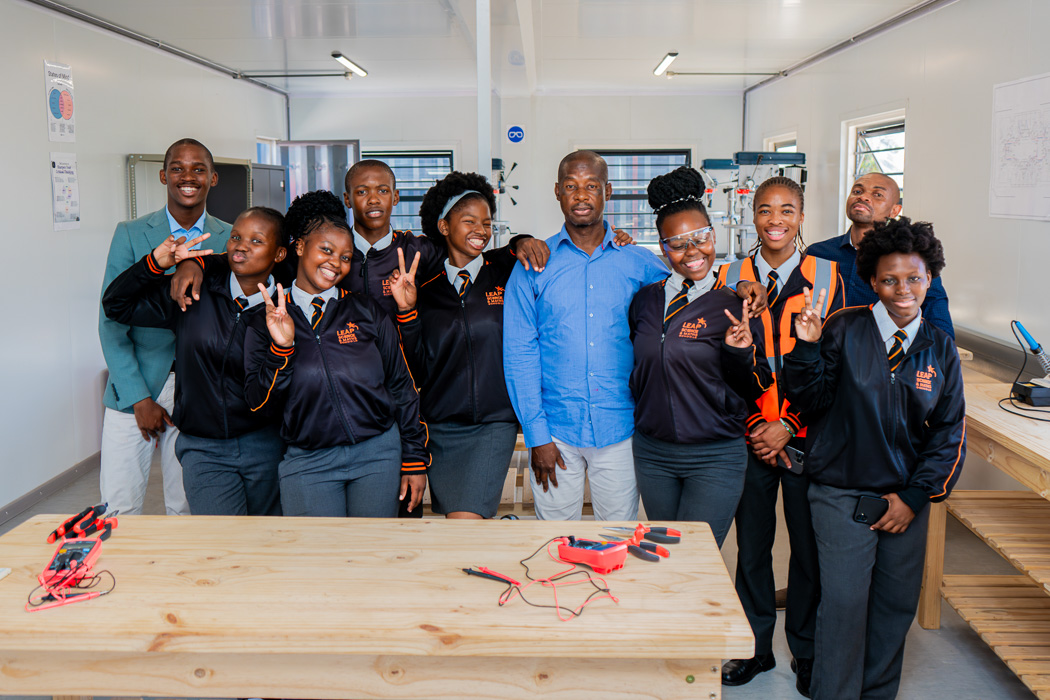
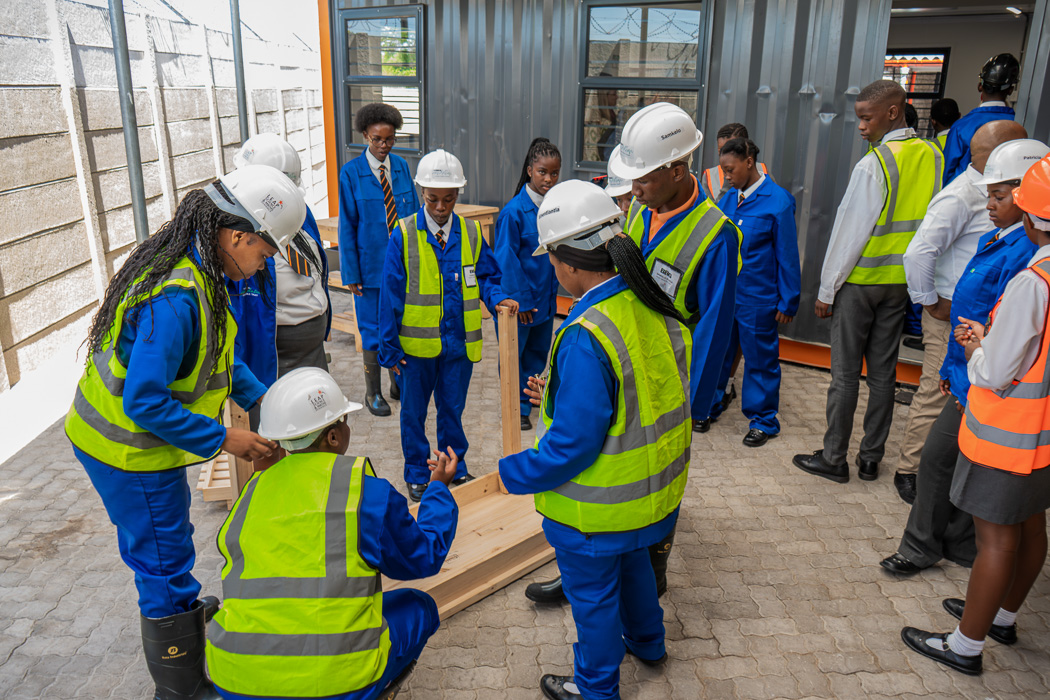
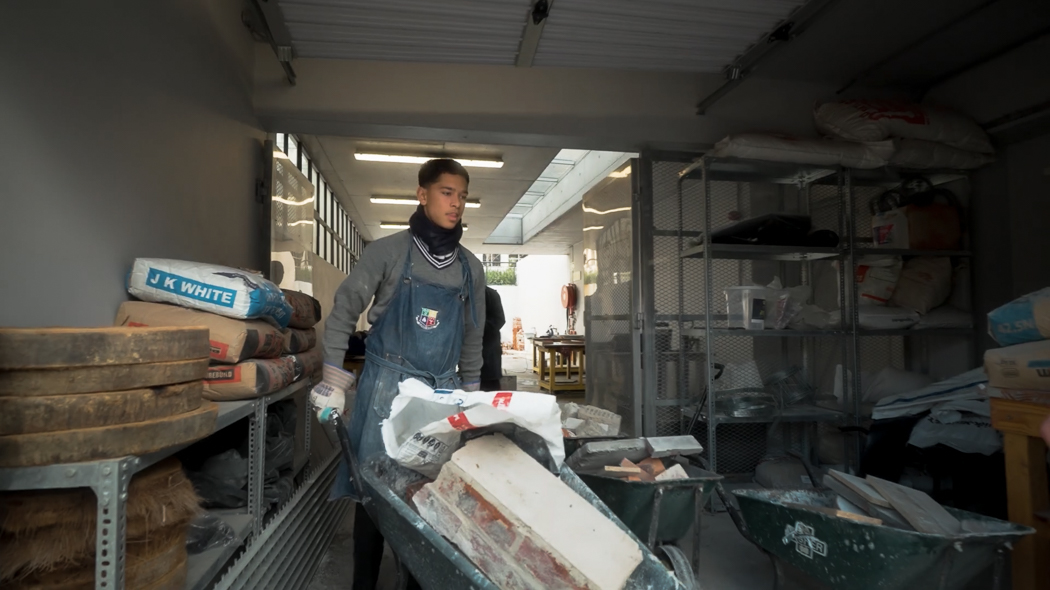
The facility was built with dedicated rooms for these subjects, equipped for both theoretical instruction and practical work. Students learn the academic principles and then apply them. They draw. They build. They test. They measure. They make mistakes and correct them.
One student described it simply:
“From a young age, I’ve always taken an interest in making and building things. The design process, from planning it to holding it in your hands at the end, is hugely rewarding. Because of the faculty and the practical approach, I’m now completely convinced of it as a career path.”
For students like him, the faculty provides clarity. It allows them to explore engineering or construction while remaining part of a mainstream school environment, participating in sport, culture and the broader school community.
That integration matters.
Technical education in South Africa has often carried a stigma, as if it is a lesser option. At Wynberg, it sits alongside academic subjects with equal standing. Students who are inclined toward practical learning are not separated or redirected elsewhere. They are given the opportunity to develop those strengths within their own school.
Since opening in 2020, the faculty has produced consistent academic results, including a 100 percent Grade 12 pass rate in Engineering Graphic Design and technical subjects. More than 80 students have matriculated through the programme, with many continuing into tertiary studies in engineering, architecture and construction-related fields.
The Wynberg project demonstrated that technical and engineering faculties can function successfully within mainstream schools. It provided a working model that could be adapted and introduced elsewhere.
It also showed something more basic.
When students are given the choice to work with their hands, to understand how things are built, and to see a direct link between school and industry, they respond.
The facility at Wynberg is not a campaign.
It is a functioning part of the school.
And it is where the Foundation’s work began.
The Future is in Our Hands
Education is the most powerful tool to break cycles of poverty and inequality. By supporting The Hands On Foundation, you are investing in real skills, real opportunity and real transformation.
Real Stories From Real People Making Change Happen